Clear Flood Debris After London Storms: Lewisham Cleanup Help
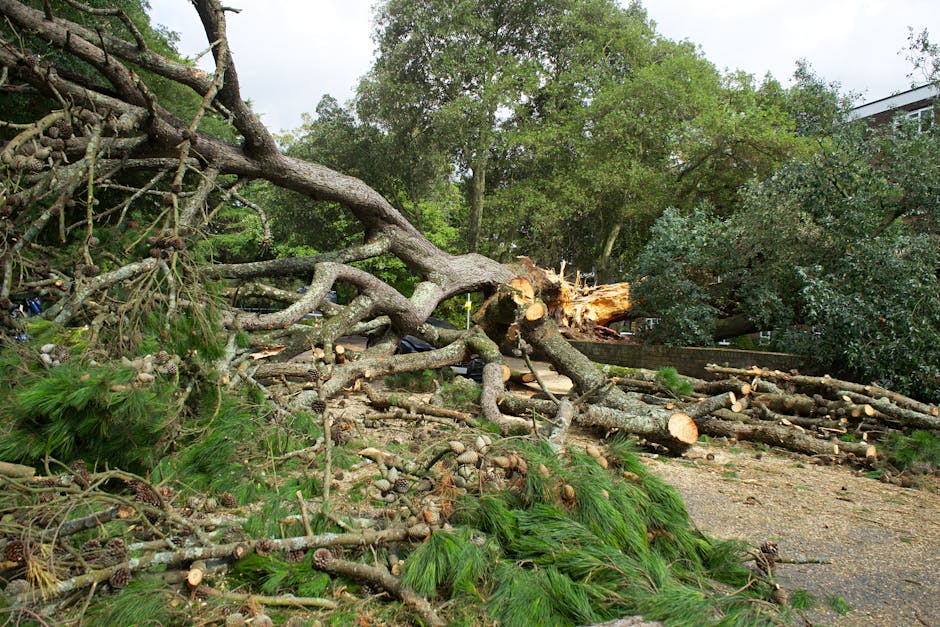
After a heavy London storm, flood debris has a habit of turning up everywhere you don't want it: across a driveway, in a basement stairwell, under garden furniture, in the hallway where the smell seems to linger a bit too long. If you are dealing with that mess in Lewisham, this guide to Clear Flood Debris After London Storms: Lewisham Cleanup Help will walk you through what needs to happen, what to avoid, and how to get the space back under control without making the job harder than it already is.
Truth be told, storm cleanup is never just about "taking the rubbish away". Floodwater leaves behind a mixture of soaked household items, silt, damaged fittings, broken boards, branches, packaging, and sometimes construction-style rubble from weakened walls, fences, or garden features. That mix changes how you handle it. It affects safety, disposal, timing, and even what can be salvaged. The good news? With a clear plan and the right support, the job becomes far more manageable.
This article covers the practical side of flood debris clearance in Lewisham: how cleanup typically works, who it suits, the best order of operations, what mistakes to avoid, and how to judge whether you need a quick one-off collection or a broader property clearance. If you want a local service overview alongside this guide, you can also look at waste removal support, home clearance, or garage clearance depending on where the debris has ended up.
Why Clear Flood Debris After London Storms: Lewisham Cleanup Help Matters
Flood debris is not just an eyesore. After a storm, it can create a chain of problems that spreads through a home, shop, office, or shared building faster than many people expect. Wet cardboard collapses. Plasterboard softens. Timber swells. Fabric absorbs odours. Metal fittings can begin to corrode. And mud? Mud gets into corners and under units, where it seems to live forever.
In Lewisham, where properties range from Victorian terraces and maisonettes to flats, retail units, and older storage spaces, storm fallout often collects in awkward places: front gardens, side returns, bin stores, cellars, garages, loft hatches, and communal access routes. That means cleanup is rarely a single-bin job. It usually needs a methodical sweep of the affected area and proper segregation of waste types.
There's also a time factor. The longer flood debris sits, the more likely it is to cause secondary damage, attract pests, or make drying and repairs harder. A damp rug left folded on a landing can smell sour within hours. A pile of soaked packaging in a back yard can go from "messy" to "properly unpleasant" very quickly. So, yes, speed matters. But speed without care can create bigger issues.
Expert summary: the best flood debris cleanup is fast, safe, and selective. Remove what is damaged beyond practical recovery, protect what can still be saved, and clear access routes first so drying and repair work can begin properly.
This is why local cleanup help is so valuable. It gives you an organised route through a stressful situation and reduces the chance of making well-meaning but costly mistakes, like dragging contaminated items through clean rooms or guessing which materials can be disposed of together.
Table of Contents
- Why Clear Flood Debris After London Storms: Lewisham Cleanup Help Matters
- How Clear Flood Debris After London Storms: Lewisham Cleanup Help Works
- Key Benefits and Practical Advantages
- Who This Is For and When It Makes Sense
- Step-by-Step Guidance
- Expert Tips for Better Results
- Common Mistakes to Avoid
- Tools, Resources and Recommendations
- Law, Compliance, Standards and Best Practice
- Options, Methods, or Comparison Table
- Case Study or Real-World Example
- Practical Checklist
- Conclusion
- Frequently Asked Questions
How Clear Flood Debris After London Storms: Lewisham Cleanup Help Works
At its simplest, flood debris clearance follows a sequence: assess, sort, remove, clean, and dispose. In practice, it is a bit messier, because every property has different access, different waste volumes, and different degrees of water damage.
1. Initial assessment
The first step is to look at what has been affected. That means identifying visible debris, checking for hidden wet materials, and noting any safety issues. Common storm leftovers include broken fencing, saturated furniture, mud, damaged insulation, fallen branches, torn garden bags, loose tiles, and construction debris washed from a repair area.
If access is tight, or if the debris has mixed with household items, it helps to map out the route from the affected space to the collection point. That sounds basic, but it saves time and reduces the chance of carrying sludge through clean areas. Nobody enjoys that. Not even a little.
2. Sorting by material type
Good cleanup starts with separation. Not all flood debris belongs in the same pile. Timber, metals, soil, green waste, furniture, appliances, textiles, and general rubbish all behave differently and may need different handling. For example, a soaked sofa may be a disposal item, while a stack of branches may be better handled alongside garden waste.
When the debris is mixed, it is often practical to group it by how it will be loaded and removed rather than by perfect material purity. The aim is to keep the process safe and efficient, not to stage a museum exhibit of wet junk.
3. Safe lifting and removal
Wet debris is much heavier than it looks. A damp carpet roll, a soaked wardrobe panel, or a sludge-covered wheelie bin can be awkward to move and easy to injure yourself with. Gloves, sturdy footwear, and sensible lifting technique matter more than people think. If something is too bulky, too contaminated, or too unstable, it should be left for professional handling rather than wrestled up a stairwell on your own.
4. Loading and transport
Once sorted, the waste is loaded carefully so that sharp edges, broken glass, and loose wet material do not spill during transport. This is especially important in residential streets where access can already be tight after a storm. A careful load is not just tidier; it is safer for everyone around the property.
5. Disposal, recycling and follow-through
After removal, the waste needs to be directed to the right disposal or recovery route. Some materials can be recycled or reused if they are clean enough and structurally sound. Others, especially heavily water-damaged items, need disposal. A reputable clearance approach should always try to keep recyclable material separate where possible. If sustainability matters to you, it is worth exploring recycling and sustainability practices before you book.
For more involved clearances, such as when flood debris has spread through multiple rooms, it may make sense to combine removal with broader property help like house clearance or flat clearance.
Key Benefits and Practical Advantages
The biggest benefit of professional flood debris clearance is simple: it gets the property usable again faster. But there are several other advantages worth spelling out.
- Faster recovery: Clearing debris promptly helps drying, repairs, and cleaning start sooner.
- Safer conditions: Wet debris can hide broken glass, nails, sharp timber, and unstable surfaces.
- Less stress: You avoid the repeated lifting, sorting, and transport that flood cleanup demands.
- Better hygiene: Removing contaminated materials reduces odours and the risk of lingering damp-related mess.
- Smarter waste handling: Materials can be separated more sensibly for disposal or recycling.
- More efficient use of space: Clear hallways, gardens, and access points make other repair work much easier.
There is a quiet but important benefit too: emotional relief. After a storm, people often describe the same feeling once the debris is gone - the property suddenly looks possible again. Not perfect, not finished, but possible. That matters on a wet Tuesday morning when everything feels a bit flattened.
If your storm damage has affected furniture, you may also find it useful to review furniture clearance options or furniture disposal guidance, especially where water has ruined sofas, cabinets, mattresses, or shelving.
Who This Is For and When It Makes Sense
Flood debris cleanup help is useful for a wide range of people in Lewisham, and not just after dramatic flooding. A storm can cause enough localised damage to justify clearance even when the rest of the property is fine.
Homeowners and tenants
If your garden, driveway, shed, cellar, or living space has been affected, cleanup support can help restore the property quickly. Tenants especially benefit from getting the affected area documented and cleared in a sensible order. If you are in a compact home or upper-floor flat, moving debris safely can become unrealistic very fast.
Landlords and letting agents
Flooded or storm-damaged units often need swift action between tenancies or after emergency repairs. The priority is usually access, hygiene, and making the place ready for contractors. A short delay can slow down everything else.
Small businesses and offices
Flood debris in a shop, office, or storage unit can stop day-to-day operations. Wet stock, broken fittings, damaged furniture, packaging waste, and mess in shared access areas all need careful removal. Business owners may also need to keep disruption minimal, which makes efficient collection especially helpful. For commercial clearances, business waste removal and office clearance are both worth considering if the damage reaches work areas.
Building or refurbishment projects
If storm water has mixed with demolition debris, plasterboard, timber offcuts, or renovation waste, the cleanup can become more like a builders' clearance. In that case, builders waste clearance can be the better fit.
As a rule of thumb, if the debris is too heavy, too bulky, too wet, or too mixed-up to handle in a single trip, it probably makes sense to get help rather than trying to improvise with a few bin bags and goodwill.
Step-by-Step Guidance
If you are tackling flood debris after a London storm, work through the process in a practical order. Don't start with the hard-to-reach stuff. That is where people waste the most energy.
- Make the area safe. Turn off electricity in affected zones if there is any chance water has reached sockets, appliances, or exposed wiring. If you are unsure, do not take chances.
- Open access routes. Clear the path from the damaged area to the exit. You want one clean route for carrying debris out.
- Separate the obvious waste types. Put broken wood, saturated soft furnishings, garden waste, and general rubbish into different piles if possible.
- Remove lightweight items first. This reduces clutter and lets you see what heavier material remains.
- Handle heavy or awkward pieces carefully. If an item is too large for one person, leave it for a proper team. Back injuries are not a badge of honour.
- Check hidden damp pockets. Under cupboards, behind storage boxes, and inside sheds or garages, flood debris often hides where you would least expect it.
- Load for disposal or recycling. Keep clean recyclable items apart from contaminated waste where practical.
- Finish with a sweep and wipe-down. Debris removal is only half the story. Dust, silt, and residue need to go too.
A small but useful clarification: if an item has absorbed dirty floodwater, it is often not worth trying to save it simply because it still "looks alright". Smell, mould risk, and hidden contamination are what catch people out later.
Expert Tips for Better Results
These are the things that usually make storm cleanup go smoother in real life, especially in Lewisham homes where space is limited and access can be awkward.
- Work from dry to wet. Keep clean, dry spaces protected while you deal with the messier areas.
- Use containers you can actually lift. Overfilled sacks and crates are how small jobs become painful jobs.
- Photograph damage before clearing. This helps if you need records for landlords, insurers, or contractors.
- Ventilate while you work. Even a slightly damp room can develop a stale smell quickly, especially with textiles or cardboard around.
- Be realistic about salvage. Sometimes a cheap item is not worth the energy of trying to rescue it.
- Plan the loading point. A tidy staging area outside saves time and keeps the inside of the property less chaotic.
- Think in zones. Clearing one room fully before moving to the next is often less overwhelming than trying to do everything at once.
One practical habit that helps a lot: keep a "maybe" pile. Put borderline items there, then revisit them once the obvious junk is gone. You will often make better decisions with a clearer room and a less frazzled head.
Common Mistakes to Avoid
Flood cleanup looks straightforward until it isn't. These mistakes are common, and they can make a bad situation worse.
Ignoring hidden contamination
Floodwater can bring in dirt, bacteria, and debris that are not always visible. If an item is soaked through, contaminated, or smells off, treat it cautiously. The surface may look fine while the inside is quietly becoming a problem.
Mixing everything together
It is tempting to put all the debris into one pile and call it done. But mixed loads can slow down removal, limit recycling, and make disposal less efficient.
Trying to move oversized items alone
A waterlogged wardrobe panel or heavy mattress is awkward enough indoors. Add stairs or a narrow hallway, and it can get dangerous quickly. That's the kind of task that sounds manageable until you are halfway down the landing and regretting all your life choices.
Delaying the cleanup
The longer debris sits, the more damage it can do. Even if you cannot clear everything at once, start with the wettest and most obstructive material first.
Forgetting access and parking
In a busy part of London, access matters. If waste cannot be collected safely and legally from the property, the job takes longer and becomes more frustrating for everyone.
Overlooking neighbouring spaces
Storm debris often spreads into shared entrances, communal bins, or side passages. If you only clear the obvious centre of the mess, you may leave behind the bits that keep causing annoyance.
A bit of patience saves effort later. Annoying, yes. True, though.
Tools, Resources and Recommendations
You do not need a warehouse full of gear, but having the right basics makes flood debris clearance safer and cleaner. A sensible setup usually includes:
- heavy-duty gloves
- sturdy boots with grip
- bin bags or sacks that won't split easily
- a broom and dustpan
- a shovel or scoop for mud and silt
- containers for sorting waste
- masks if dust, mould, or dried sediment is present
- towels or absorbent materials for initial mopping
- torch or portable lighting for darker spaces like garages and cellars
For bigger jobs, a professional waste collection service is often the most practical resource. It is especially useful when debris is too bulky for normal bin disposal, when the property layout is awkward, or when you simply want the cleanup handled in one efficient sweep. If you want to understand what a broader collection might involve, look at waste removal alongside the more specific service pages already mentioned.
Some properties also benefit from a broader reset after storm damage. That can include garden clearance if the outside space took the brunt of the weather, or loft clearance where stored items were exposed to leaks or blown-in damp.
Law, Compliance, Standards and Best Practice
When flood debris is being removed, it is wise to follow normal UK waste-handling expectations and common-sense safety practice. You do not need to become a legal specialist, but you should know the basics.
First, waste should be handled responsibly and taken to an appropriate disposal route. If you are hiring someone to remove it, check that they work in line with accepted waste practices and that the service is clear about safety and handling. It is also sensible to confirm how mixed waste, recyclable materials, and bulky items will be managed.
Second, if floodwater may have affected electrics, gas appliances, or structural elements, debris removal should not rush ahead of safety checks. A cleared room is useful; a safe room is non-negotiable. That may sound obvious, but in stressful weather events people often want everything done at once.
Third, if the debris came from a work site, a commercial premises, or a building project, keep basic records of what was removed and why. Good housekeeping helps with later repairs and internal reporting.
Best practice also includes sensible protection for workers and occupants: gloves, closed footwear, careful lifting, and proper loading. A trustworthy local provider should also be clear about insurance, safety procedures, and payment handling. If you want to review those standards in advance, health and safety policy information, insurance and safety details, and payment and security information are sensible places to look.
Options, Methods, or Comparison Table
There are a few ways to deal with flood debris. The right choice depends on how much waste there is, how damaged it is, and how fast you need the space cleared.
| Option | Best for | Pros | Limitations |
|---|---|---|---|
| DIY clearance | Very small, light, dry debris | Low direct cost, immediate start | Heavy lifting, time-consuming, higher risk if debris is wet or contaminated |
| Partial self-clear + booked collection | Mixed waste where you can sort some items first | Flexible, can reduce loading time | Still requires effort and some access planning |
| Full professional clearance | Large, bulky, awkward, or waterlogged debris | Fast, safer, less disruptive, better for mixed waste | Usually costs more than doing it yourself |
| Property-wide clearance | Severe storm impact across multiple rooms or storage areas | Best for complex cleanups and post-storm recovery | More coordination needed |
There is no single right answer for every property. A small patio covered in broken pots and branches is a different job from a flooded basement with ruined furniture and mud. Be honest about the scale. That honesty saves time.
If the debris is mostly outdoor mess, a garden clearance approach can work well. If it's inside the home, home clearance or house clearance may be the closer fit.
Case Study or Real-World Example
Here is a realistic example from a typical Lewisham post-storm situation.
A ground-floor flat in Lewisham had floodwater enter through an external doorway after a heavy downpour. By morning, the hallway held soaked cardboard, a damaged rug, several broken plant pots, a storage shelf that had collapsed, and a few bags of household waste that had been pushed by the water into a corner. The tenant needed the area cleared before drying equipment could be brought in.
The first step was to remove the light, loose debris and keep the main walkway open. Then the heavy wet items were separated from the drier belongings that still had a chance of being salvaged. The debris was loaded in stages so that the route stayed clear, and the muddy residue was swept out at the end rather than left to dry into the floor.
What made the difference was not speed alone. It was sequencing. The space looked worse before it looked better, which is normal. But once the floor was clear, the drying process could begin properly and the flat felt manageable again. That's usually the turning point people notice.
If this sounds familiar, you are not being dramatic. Flood mess really can take over a room, and a room can take over your day. Clearing it well gives you that day back.
Practical Checklist
Use this checklist before, during, and after cleanup:
- Confirm the area is safe to enter.
- Check for any electrical risk or unstable structure.
- Photograph the damage if you need a record.
- Create a clear exit route for debris.
- Sort waste into sensible groups where possible.
- Remove the wettest and heaviest items carefully.
- Keep salvageable items separate from contaminated waste.
- Use gloves, sturdy shoes, and suitable lifting technique.
- Load waste so it will not spill or tear in transit.
- Sweep and wipe the area after debris removal.
- Arrange follow-up cleaning, drying, or repair work.
- Check whether further clearance is needed in storage spaces, garages, or outdoor areas.
If you want to prepare for a larger or more urgent job, it can help to review pricing and quotes before booking, especially when the volume of debris is unclear. For certain properties, the best next step may be a blend of services, not a single one-size-fits-all fix.
Conclusion
Clearing flood debris after London storms is one of those jobs that looks simple from a distance and then turns into a lot of lifting, sorting, and decision-making once you're in it. In Lewisham, where properties vary so much in size and access, the smartest approach is the one that gets the space safe, clear, and ready for repair without adding more hassle than necessary.
Whether the damage is in a hallway, a garden, a garage, a flat, or a business premises, the core principles stay the same: assess carefully, remove in the right order, handle wet and heavy waste safely, and get the debris into the right disposal route. Do that, and the rest of the recovery process becomes a lot less overwhelming.
And honestly, that first cleared stretch of floor or driveway can feel like a small victory. Sometimes that is exactly what a storm-hit property needs.
Get a free quote today and see how much you can save.
Frequently Asked Questions
What counts as flood debris after a London storm?
Flood debris usually includes anything damaged, displaced, or contaminated by stormwater. That can mean soaked furniture, broken branches, mud, ruined cardboard, garden waste, damaged shelving, and loose household items pushed around by water.
Can flood debris be mixed with normal household rubbish?
It is better not to mix everything together if you can avoid it. Wet or contaminated debris is often heavier, messier, and harder to handle safely. Separating items by type makes removal cleaner and can help with recycling or disposal.
Should I try to save water-damaged furniture?
Sometimes, but be cautious. If furniture has absorbed dirty floodwater, smells musty, or has swollen panels or mould risk, it may not be worth keeping. Soft furnishings are especially tricky because damage is often deeper than it looks.
How quickly should flood debris be removed?
As quickly as it can be done safely. Delays make drying and repairs harder and can increase odour, staining, and secondary damage. If you cannot clear it all immediately, start with the wettest and most obstructive material first.
Is it safe to move flood debris by myself?
Only for small, light, dry items. Wet debris can be much heavier than expected, and awkward pieces can cause injury. If anything is bulky, unstable, or contaminated, it is safer to get help.
What if the debris is in a garage or cellar?
That is very common after storms. Garages and cellars often hold mixed waste, old boxes, tools, and stored items that become waterlogged quickly. A focused garage clearance or loft clearance style approach may be useful depending on where the debris sits.
Can flood debris be recycled?
Some of it can, but only if it is suitable for recycling and not badly contaminated. Clean timber, metal, and certain containers may be recoverable, while soaked textiles, damaged furniture, and dirty mixed waste often need disposal.
Do I need a full house clearance after flooding?
Not always. If the damage is limited to one room or one area, a smaller clearance may be enough. But if water has spread through multiple rooms, storage spaces, or access routes, broader help like house clearance may be more practical.
How do I prepare for a debris collection visit?
Clear a safe access route, separate the worst of the waste if possible, and keep any items you want to save away from the debris pile. If parking or access is tight, it helps to think that through early. It saves a lot of back-and-forth.
What should I do first after storm debris appears?
Make the space safe, check for electrical risk, and stop the mess from spreading. Then create a path for removal and begin sorting what can be salvaged from what needs to go. That first hour matters more than people realise.
Is flood debris clearance useful for businesses too?
Yes. Shops, offices, and storage areas often need quick clearance to restore access and reduce disruption. Commercial spaces can benefit from dedicated business waste removal or office clearance depending on the type of damage.
How do I know if a cleanup service is the right choice?
If the debris is too heavy, too mixed, too wet, or too much for you to manage safely, a cleanup service is probably the sensible route. It is especially helpful when you need speed, access control, and a cleaner result without repeated lifting.
Final thought: after a storm, the mess can feel personal, but it is just a mess. Clear it step by step, keep the process safe, and the property will start feeling like yours again.