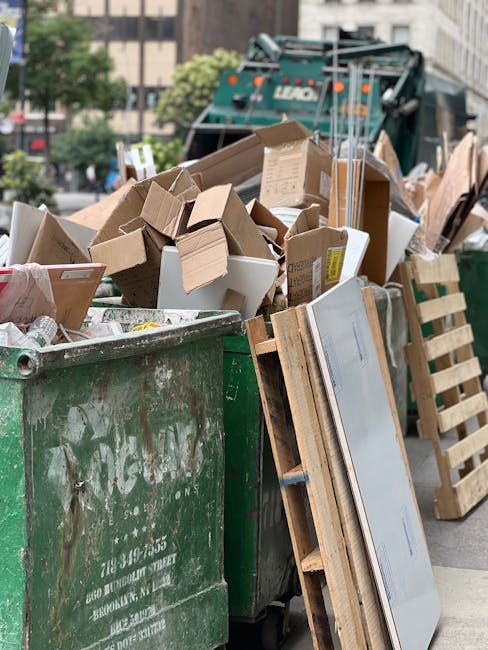
SE13 Rubbish Collection Tips for Blackheath and Hither Green
Rubbish builds up quickly in real life. A spring clear-out turns into a hallway full of boxes. A flat move leaves you with broken furniture, bags of mixed waste, and one awkward question: how do you get it all removed without stress, delays, or avoidable costs?
This guide to SE13 rubbish collection tips for Blackheath and Hither Green is written for exactly that moment. Whether you are clearing a family home, sorting a rental flat, tidying a garden, or dealing with renovation debris, the smartest approach is usually the simplest one: separate your waste early, understand what can be collected, and choose the right removal method for the load.
Below you will find practical advice for planning a collection in SE13, avoiding common mistakes, comparing options, and deciding when a professional service makes more sense than multiple trips to the tip. If you want a broader overview of service types, the main waste removal service page is a useful starting point, while more specific needs are covered in pages such as house clearance and furniture disposal.
Why SE13 Rubbish Collection Tips for Blackheath and Hither Green Matters
SE13 covers neighbourhoods with a mix of period homes, maisonettes, flats, terraces, small businesses, and properties with limited access. That matters because rubbish collection is never just about "getting rid of stuff". It is also about space, timing, access, sorting, and safety.
In Blackheath and Hither Green, the same collection challenge can look very different from one street to the next. A top-floor flat with narrow stairwells needs a different approach from a driveway collection or a rear garden clearance. Parking restrictions, shared entrances, and neighbour access can all affect how smoothly a job goes. A little planning saves you from the kind of chaos that starts with "I'll just leave it by the door for now" and ends with three overflowing piles and a guilty glance at the hallway.
Good rubbish collection tips also help you reduce avoidable costs. When waste is sorted properly, quantities are estimated more accurately, and items are stacked safely, the job can often be completed more efficiently. That matters whether you are dealing with general household waste, garden cuttings, furniture, or builder's rubble.
For clearances that involve bulky items or mixed loads, it is worth understanding the difference between simple uplift work and more structured services such as flat clearance, garage clearance, and garden clearance. Choosing the right category makes the process much smoother from the start.
How SE13 Rubbish Collection Tips for Blackheath and Hither Green Works
At a practical level, rubbish collection in SE13 works best when you think in stages rather than in one big rush. First, identify what needs to go. Then separate items into broad groups. Then decide whether you need a same-day uplift, a scheduled collection, or a more complete clearance service.
Here is the basic flow most people follow:
- Sort the waste by type. Keep general rubbish separate from reusable items, electricals, garden waste, builders waste, and anything hazardous.
- Check access. Think about stairs, lifts, parking, rear access, and whether items need dismantling.
- Estimate the volume. A few bags is very different from several bulky items or a full room of clutter.
- Decide on the right service. A simple rubbish removal job is not the same as a loft, office, or house clearance.
- Prepare the waste for collection. Make sure items are safe to lift, easy to identify, and not hidden behind avoidable obstacles.
This is also where local knowledge helps. In busy residential areas, the best collection window is often the one that minimises disruption. If access is tight, you may need to stagger the load or arrange a service that can handle the full job in one visit. If you are clearing a rented property or preparing for sale, the speed and cleanliness of the turnaround can matter just as much as the disposal itself.
For a more business-focused job, business waste removal is the better fit when the waste is tied to a shop, office, or commercial premises. The same principle applies: use the service that matches the waste stream, not just the first option that sounds convenient.
Key Benefits and Practical Advantages
The most obvious benefit of smart rubbish collection planning is peace of mind. You know what is going, when it is going, and how it will be handled. But the real value usually shows up in the details.
- Less disruption: fewer last-minute piles in hallways, front gardens, or shared areas.
- Better cost control: more accurate load estimates reduce surprises.
- Faster clearance: well-sorted waste can be removed more efficiently.
- Safer handling: sharp, heavy, or awkward items are easier to move when prepared properly.
- Cleaner finish: the property is left ready for cleaning, sale, letting, or renovation.
- Improved recycling outcomes: separating reusable and recyclable materials helps reduce unnecessary disposal.
There is also a less obvious benefit: decision clarity. Once you know whether you are dealing with furniture, mixed household rubbish, garden waste, or builder's debris, it becomes much easier to choose the right service and budget realistically. That is especially useful if you are comparing options such as furniture clearance and builders waste clearance.
Practical summary: the best collection jobs are usually not the biggest or the fastest. They are the ones that were prepared properly, matched to the right service, and planned with access in mind.
Who This Is For and When It Makes Sense
This guidance is useful if you are a homeowner, tenant, landlord, letting agent, tradesperson, small business owner, or anyone trying to clear clutter in SE13 without turning it into a weekend-long headache.
Typical situations include:
- moving out of a flat or house in Blackheath or Hither Green
- preparing a property for sale or new tenants
- clearing a loft, garage, shed, or spare room
- disposing of old sofas, wardrobes, mattresses, or white goods
- removing post-renovation debris
- tidying a garden after pruning, landscaping, or seasonal maintenance
- emptying office furniture and general commercial waste
It also makes sense if you have a mixed load. A common example is a household clear-out where you have broken furniture, boxed paper waste, old lamps, garden bags, and a few DIY leftovers. In that scenario, a service such as home clearance or loft clearance is often more practical than trying to manage each item separately.
If the waste comes from a full property emptying, house clearance can be the better route, especially where there is a mix of bulky furniture, bags, and miscellaneous items. The same applies to more compact but clutter-heavy spaces such as studios and upper-floor flats.
Step-by-Step Guidance
If you want the cleanest result with the least hassle, follow this order. It sounds basic, but the basics are what keep jobs tidy.
1. Walk through the space first
Do a slow, honest assessment. Look at every room, hallway, storage cupboard, loft, or outside area that will be part of the collection. Note any narrow access points, fragile surfaces, low ceilings, or items that may need two people to lift.
2. Separate items into sensible groups
Keep categories broad and realistic. For example:
- general household rubbish
- furniture and bulky items
- green waste
- DIY and builders debris
- electrical items
- items for donation or reuse
This reduces confusion on the day and helps the collection team work faster. It also helps you spot items that should not be mixed into ordinary waste.
3. Check what needs dismantling
Large wardrobes, bed frames, and shelving units are often easier to remove if partially dismantled. You do not need to overdo it, but breaking a bulky item into manageable pieces can save time and space. If you are not comfortable doing that, leave it intact and mention it in advance.
4. Clear the route
Make sure the path from the waste to the exit is free from trip hazards. Move small items, cords, mats, and fragile objects out of the way. This is especially important in flats and shared stairwells, where one blocked turn can slow everything down.
5. Estimate volume honestly
Underestimating waste volume is one of the most common causes of disappointment. A couple of bags can quickly become ten once you start sorting. Try to assess the collection in logical units: bagged waste, chair-sized items, wardrobe-sized items, and anything unusually heavy.
6. Confirm service details before collection
Be clear about what is included, what access is available, and whether parking or waiting restrictions could affect the job. If your waste includes specialised items, ask in advance rather than assuming they can be handled in the same way as standard rubbish.
7. Prepare for the handover
On collection day, keep the waste accessible and grouped logically. If possible, label anything that should be treated differently. A few minutes of organisation can save a lot of back-and-forth later.
Expert Tips for Better Results
Here are the details that usually make the biggest difference in the real world.
- Do not mix clean recyclable items with heavily contaminated waste. It can make sorting harder and reduce the usefulness of separate recycling streams.
- Use the right service for bulky items. A sofa or mattress is not just "more rubbish"; it may require different handling, lifting, and transport.
- Book with access in mind. In SE13, access can be more challenging than the waste itself.
- Bundle loose items. Tied or contained items are easier to load safely than scattered bits and pieces.
- Photograph the waste if you are getting quotes. Clear photos help avoid miscommunication.
- Be realistic about time. A cluttered loft or full garage often takes longer than people expect, especially if items have to be brought down carefully.
A small but useful tip: if you are clearing a room, start at the farthest corner and work toward the door. It keeps the route open and stops you creating a second mess while solving the first one.
If you are comparing a full property emptying with selective item removal, reviewing service pages such as flat clearance and furniture clearance can help you see which option fits your job most naturally.
Common Mistakes to Avoid
Most rubbish collection problems are not dramatic. They are just small planning errors that stack up. The good news is that they are easy to avoid once you know what to watch for.
- Leaving sorting until collection day: this usually creates delays and confusion.
- Assuming all waste is the same: garden waste, builders waste, and household clutter should not be treated identically.
- Forgetting about access: a bulky item that fits in the room may still be awkward on the stairs.
- Ignoring weight: some materials are deceptively heavy, especially wet garden waste or rubble.
- Not checking what the service includes: lifting, loading, dismantling, and sweeping up may not all be the same thing.
- Mixing reusable items with waste: it can make the clearance less efficient and less environmentally sensible.
Another common issue is underpreparing for weather. Rain, muddy paths, and slippery steps can turn a straightforward job into a slow one. In those cases, simple measures like covering routes or moving items indoors earlier can make a noticeable difference.
Tools, Resources and Recommendations
You do not need special equipment for every collection, but a few basic tools can make the job much easier.
- Heavy-duty gloves: useful for sharp edges, dusty items, and garden waste.
- Bin bags or rubble sacks: better than flimsy bags that split halfway through the job.
- Tape, labels, and marker pens: helpful for sorting and identifying items.
- Basic hand tools: a screwdriver, wrench, or Allen key can help dismantle beds and furniture.
- Protective coverings: old sheets or cardboard can protect floors on removal routes.
- Phone photos: useful for quotes and for showing unusual items or access issues.
For service planning and trust-building, it is sensible to review company information pages such as pricing and quotes, recycling and sustainability, and insurance and safety. These pages help you understand how a provider works, how waste is handled, and what safeguards are in place.
If you are arranging a collection for a commercial space, the dedicated office clearance page can be especially helpful because office waste often involves desks, filing units, chairs, packaging, and paperwork that need careful handling.
Law, Compliance, Standards, or Best Practice
Waste handling in the UK is not something to treat casually. You do not need to memorise legislation to make a sensible booking, but it does help to follow standard best practice.
In plain English, that means:
- do not leave waste in shared spaces where it could block access or create hazards
- separate hazardous or specialist items from standard rubbish
- make sure the collection provider is appropriate for the type of waste involved
- ask questions if you are unsure how an item should be handled
- keep records or confirmations if the job is tied to a tenancy, business premises, or building project
For householders, the main aim is usually straightforward: dispose of waste responsibly and avoid fly-tipping risks. For landlords, agents, and businesses, the expectations are a bit higher because the waste may involve tenant turnover, compliance concerns, or regular collection needs.
Best practice also includes transparency. A reliable provider should be able to explain how waste is loaded, where it goes, and how recyclable material is separated. That does not mean every item can be reused or recovered, but it does mean the process should be clear and sensible. If you want to understand a provider's broader standards, the about us page is often a good place to start.
Options, Methods, or Comparison Table
Different waste jobs call for different methods. The table below gives a simple way to compare them.
| Option | Best for | Pros | Watch-outs |
|---|---|---|---|
| Bagged self-clearance | Small amounts of light household rubbish | Low effort if the volume is modest | Time-consuming, multiple trips, limited capacity |
| Man-and-van style collection | Mixed rubbish, bulky items, quick household jobs | Fast, flexible, useful for awkward access | Needs good volume estimates and item descriptions |
| Flat or house clearance | Full-room or full-property clear-outs | Best for larger projects and mixed contents | Requires more planning and clearer handover |
| Specialist service for builders or garden waste | Renovation debris, soil, branches, rubble, offcuts | Matches the waste type more closely | Some materials need specific handling or separation |
For bulky furniture, you may also want to compare dedicated removal and disposal services. The difference between furniture clearance and furniture disposal is often about scale and intent: one is broader and more operational, the other is more focused on single or repeated furniture items.
If the job involves construction leftovers, builders waste clearance is typically the more suitable route than general rubbish removal. The right method saves time, reduces handling problems, and usually improves the final result.
Case Study or Real-World Example
Consider a typical SE13 scenario: a two-bedroom flat in Hither Green is being prepared for new tenants. The property has a broken bed base, a damaged wardrobe, several bags of mixed clutter from cupboards, two office chairs, and a small amount of packaging and household waste.
The temptation is to treat everything as one heap. That usually creates problems. The better approach is to separate the waste into furniture, bags, and anything reusable. Then check access: stairs are narrow, and parking is limited outside, so the load needs to be planned carefully. Once the items are grouped and the route is clear, the collection can be done much more efficiently.
In this sort of case, a flat-focused service is usually more useful than a general "we take anything" mindset. The waste is not especially unusual, but the property layout changes the job. That is the main lesson. In SE13, success often depends less on the waste itself and more on how well you have prepared the space around it.
Another common example is a Blackheath garden tidy-up after a weekend of pruning and clearing old planters. The waste may seem harmless, but wet soil, branches, and mixed plant material add weight quickly. If you have ever lifted a sack of wet garden cuttings, you will know it feels twice as heavy halfway down the path. A dedicated garden clearance approach makes much more sense than trying to sneak it into normal household rubbish.
Practical Checklist
Use this checklist before collection day to keep things simple.
- Walk through the property and identify every item to be removed
- Separate furniture, bagged waste, garden waste, and building debris
- Set aside anything reusable, recyclable, or needed later
- Check stairs, lift access, parking, and entry points
- Dismantle large items where practical and safe
- Move fragile items away from the removal route
- Use sturdy sacks or containers for loose waste
- Take clear photos if you need a quote or service estimate
- Confirm whether the job is a clearance, collection, or specialist removal
- Keep pets, children, and bystanders clear during loading
One small extra step is often worth it: put the collection area into daylight if possible. It sounds obvious, but good visibility helps everyone spot sharp edges, breakable items, and anything that needs special care.
Conclusion
Rubbish collection in Blackheath and Hither Green works best when you plan the waste, not just the pickup. Sort items early, choose the right service type, think carefully about access, and stay realistic about volume. That simple approach reduces stress and gives you a much cleaner result.
Whether you are clearing a flat, emptying a house, removing old furniture, or dealing with renovation debris, the goal is the same: make the job safe, efficient, and straightforward. A bit of structure goes a long way. And honestly, the less you have to drag through a narrow hallway at the last minute, the better.
If you are ready to move from planning to action, review the service details that best match your waste type, check the support and trust pages, and take the next step with confidence.
Get a free quote today and see how much you can save.
For help with the next stage, you can also explore contact options or review the company's terms and conditions before booking.
Frequently Asked Questions
What is the best way to organise rubbish before collection in SE13?
The best method is to sort rubbish into broad groups first: general waste, furniture, garden waste, builders debris, and reusable items. That makes collection faster and reduces confusion on the day.
Do I need a full clearance service for a small load?
Not always. A small amount of bagged waste may only need a simple collection, but bulky or mixed items often fit better with a structured service such as flat clearance or furniture disposal.
How do I know whether my waste counts as bulky rubbish?
If an item is awkward to carry, needs two people, or takes up significant space in a room, it is usually bulky enough to plan separately. Sofas, wardrobes, mattresses, and large appliances are common examples.
Can I mix garden waste with household rubbish?
It is usually better not to. Garden waste is heavier and behaves differently from household rubbish, so separating it helps with handling, loading, and recycling where possible.
What should I do with old furniture?
Old furniture should be kept separate from loose waste if possible. Depending on the quantity, a furniture clearance or furniture disposal service may be the most practical option.
Is it worth taking photos before booking a collection?
Yes. Photos help the provider estimate volume, understand access, and identify any awkward items. That usually leads to a smoother booking and fewer surprises.
What is the biggest mistake people make with rubbish collection?
Underestimating how much waste there is. A job that starts with a few obvious items often expands once you begin sorting cupboards, lofts, or storage spaces.
Can rubbish collection be done from a flat with limited access?
Yes, but access details matter. Narrow staircases, lifts, parking restrictions, and shared entrances all need to be considered before collection day.
How do I choose between waste removal and house clearance?
Choose waste removal for smaller or mixed loads and house clearance when you are emptying a larger part of a property or dealing with multiple rooms of contents.
Are commercial and domestic rubbish collections handled the same way?
Not quite. Business waste removal usually involves different expectations around regularity, documentation, and the type of waste produced by a workplace or commercial property.
What should I ask before booking a collection provider?
Ask what is included, how access is handled, whether loading is part of the service, and how recyclable items are treated. If pricing matters, review the provider's pricing and quotes information first.
How can I make the collection day easier?
Clear the route, keep items grouped, label anything unusual, and make sure the provider knows about parking or access issues in advance. That is usually enough to remove most friction from the day.